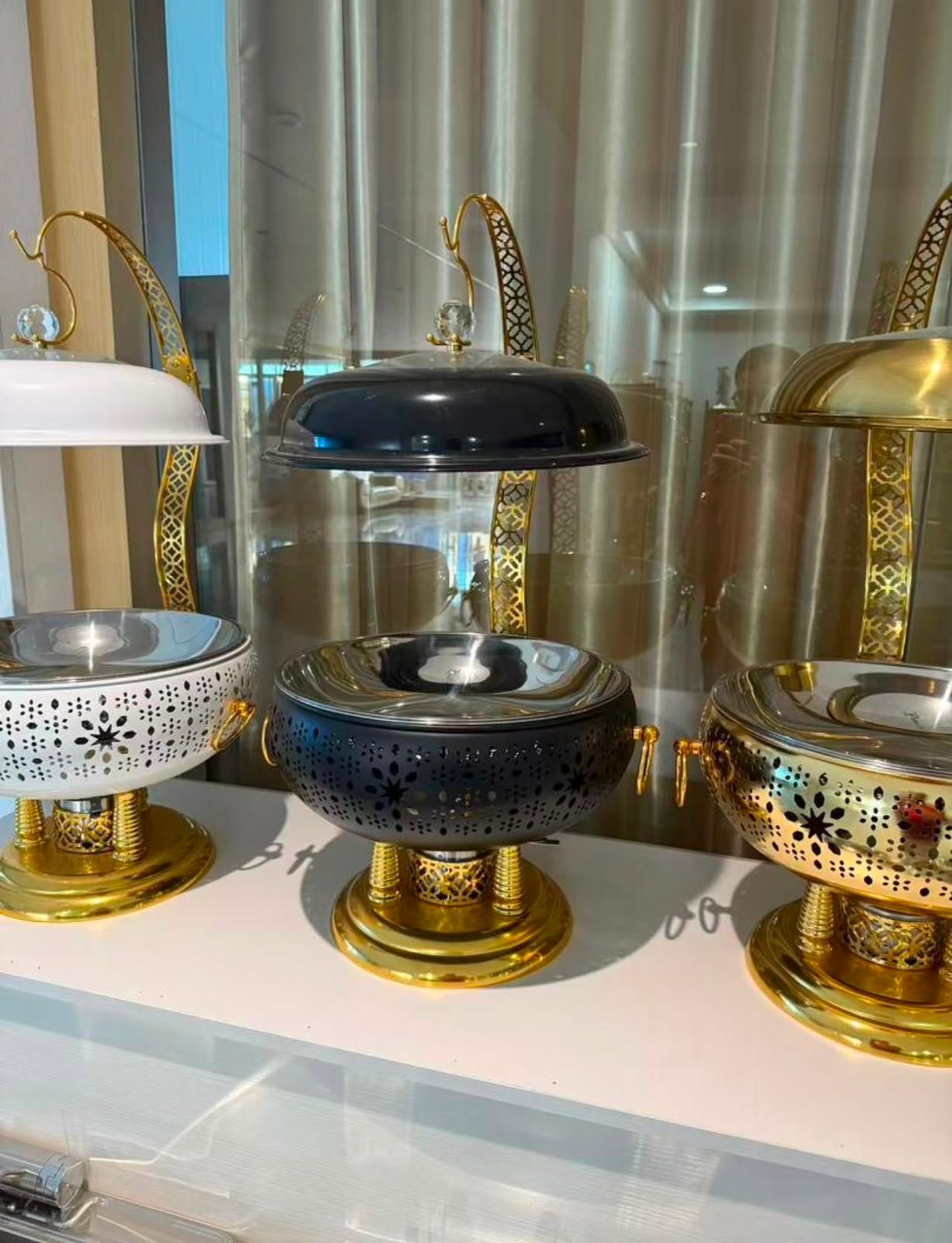
Nothing kills the mood of an upscale wedding or a corporate gala faster than a congested buffet line. When hungry guests are forced to wait in a bottleneck for twenty minutes, it reflects poorly on the catering service. Fortunately, long queues are entirely preventable. By applying smart crowd psychology and utilizing the right equipment layout, you can keep the flow of your event moving fast and flawlessly.
1. The Power of Double-Sided Stations
The single biggest mistake in buffet planning is pushing your tables against a wall. This forces guests into a single, slow-moving line. Instead, pull your buffet tables out into the center of the floor or under your stretch tent to create a double-sided station. This instantly doubles your service speed, allowing two lines of guests to move down opposite sides of the table simultaneously.
2. Isolate the Beverages and Desserts
The bar and the coffee station should never be at the end of the main food line. Drinks take time to pour, and guests like to linger to chat while waiting for their beverages. By setting up a completely separate drink station across the room, you pull the crowd away from the main food pans, eliminating cross-traffic jams.
3. Choose the Right Serving Gear
Every second counts when hundreds of people are waiting to eat. Traditional chafing dishes with loose lids require guests to lift a heavy lid, find a place to put it down, serve their food, and put the lid back on. This clunky process slows everything down.
Upgrading to professional roll-top chafing dishes or modern hydraulic soft-close models changes the entire workflow. The lids glide back smoothly and stay out of the way, allowing for effortless, fast self-service.
4. Optimize the Menu Order
The sequence of your food pans dictates the speed of the line. Always arrange your buffet in this specific order:
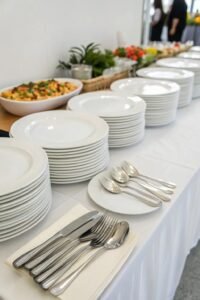
- Plates first (on an isolated table at the very start).
- Starches and sides (cheaper filling items like rice and potatoes move fast).
- Proteins and hot mains (where carvers or servers control the portions).
- Cutlery and napkins last (guests should never have to juggle loose knives and forks while trying to scoop food onto their plates).