When fitting out a professional catering business or an event venue, one of the most critical financial decisions you will face is choosing your energy source. Should you invest in heavy-duty gas ranges or sleek, high-efficiency electric appliances?
In a volatile utility landscape, your energy choice directly impacts your speed of service, your operating costs, and your resilience during power outages. Let’s compare how they stack up across the key performance indicators:
📊 Direct Comparison Overview
| Feature | Commercial Gas Equipment | Commercial Electric Equipment |
|---|---|---|
| Instant Heat | Yes, immediate flame control. | No, requires heat-up time. |
| Temperature Recovery | Extremely fast. | Slower between high-volume batches. |
| Loadshedding Resilience | 100% independent of the electrical grid. | Dependent on heavy inverter/generator backups. |
| Cleaning Effort | Higher (removable cast-iron grates). | Lower (smooth glass or flat tops). |
| Installation Cost | Requires certified gas line plumbing. | Requires dedicated high-amp plug points. |
1. The Battle of the Hot Line: Stoves and Fryers
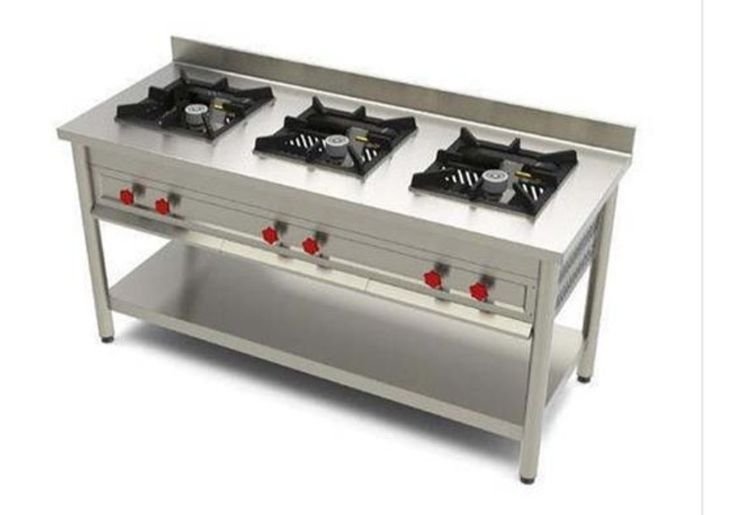
For high-output kitchens, commercial gas stoves remain the undisputed king. Chefs prefer gas because turning a dial gives you instant visual flame feedback and immediate temperature changes. When you place a massive stockpot on a gas ring, it starts absorbing heat immediately.
Similarly, gas deep fryers offer unmatched temperature recovery times. When your team drops a large, cold basket of frozen chips into the oil, the temperature drops rapidly. Gas burners react instantly to bring that oil back up to a crisping temperature, preventing your food from becoming soggy and grease-logged.
2. The Power Outage Factor (Loadshedding)
For caterers and venues, electrical blackouts can instantly destroy a lucrative weekend function. If your entire kitchen line is electric, running multiple high-wattage ovens, fryers, and stoves simultaneously requires a massive industrial generator or an incredibly expensive commercial solar setup.
By building your hotline around gas stoves and fryers, your core cooking power is entirely off-grid. This leaves your backup generator free to run lower-wattage essentials—like your 280W commercial ice makers, extraction fans, refrigeration units, and event lighting under the stretch tent.
3. Precision Baking: Where Electric Wins
While gas dominates the stovetop, electric power often takes the prize in the bakery section. Commercial electric ovens and dough proofers excel at maintaining perfectly uniform, dry heat over long periods without the minor temperature fluctuations found in gas chambers. If your menu relies heavily on delicate pastries, soufflés, or artisanal breads, an electric convection or deck oven offers the precise climate control needed for a consistent rise.
The Verdict
To build the most resilient, cost-effective catering business, a hybrid approach is best. Invest in rugged gas equipment for your high-heat cooking and frying tasks to keep your fuel bills low and protect yourself from power cuts. Then, leverage reliable electric power for your automated prep tools, commercial refrigeration, and front-of-house buffet presentation.