
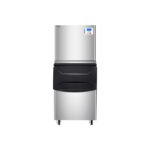
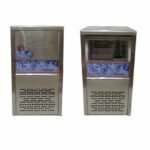
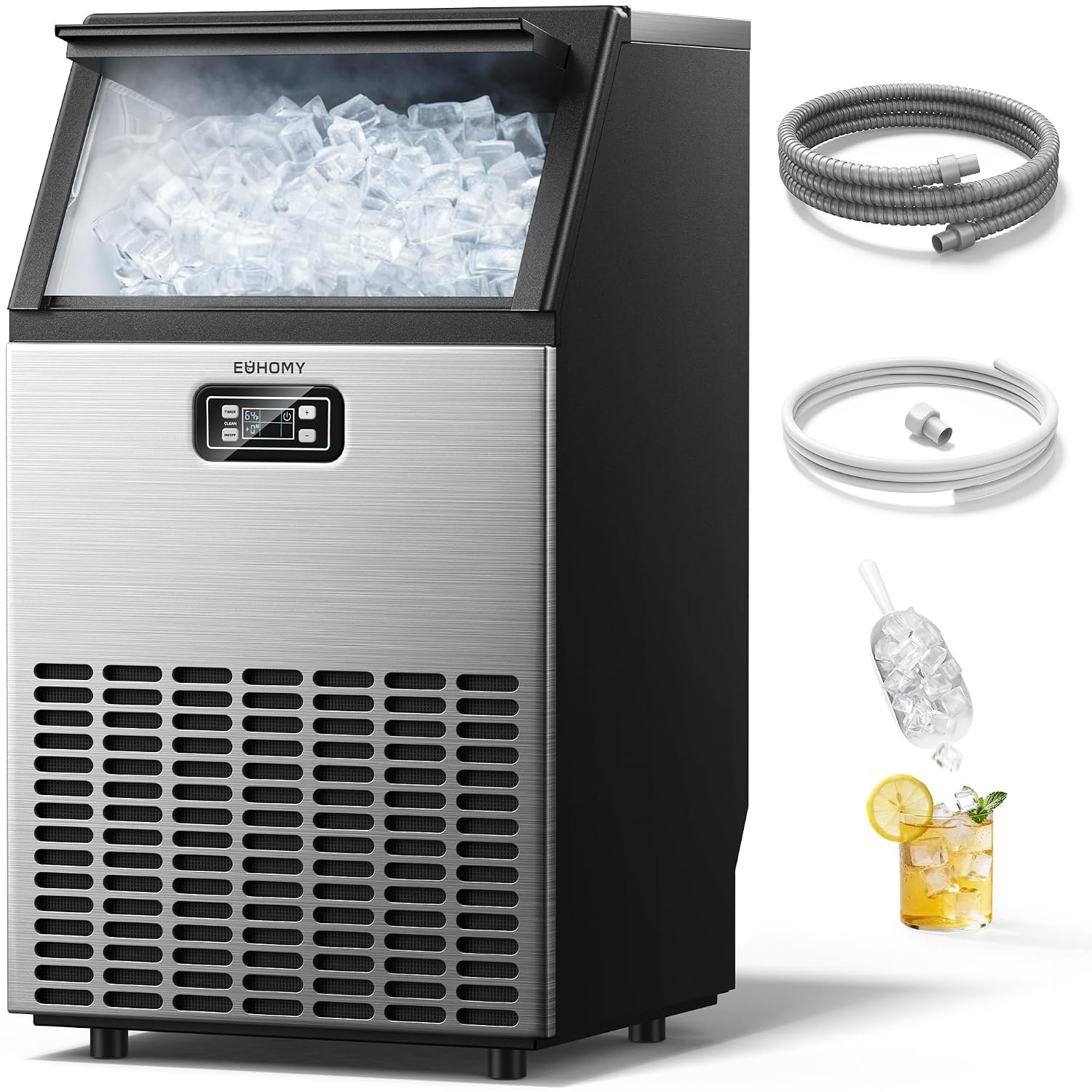

Description
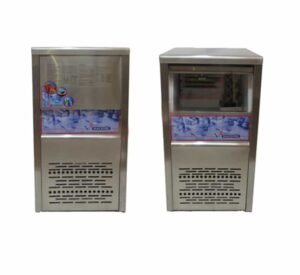
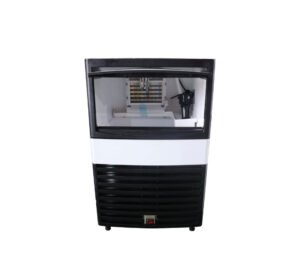
Ice Maker 45KG/24H – Reliable Ice Production for Commercial Kitchens and Hospitality Businesses
Introduction to the Ice Maker 45KG/24H
A consistent supply of ice is essential for businesses that serve cold beverages, prepare refreshments, or operate in the food service and hospitality industries. From restaurants and cafés to bars, hotels, catering companies, and takeaway establishments, access to fresh ice can make daily operations more convenient and help maintain an efficient service environment. The Ice Maker 45KG/24H is a practical option for businesses and other users looking for a dedicated ice-making solution with a stated production capacity of 45 kilograms per 24 hours.
Designed for environments where ice is needed regularly, an ice maker can reduce dependence on traditional ice trays and frequent purchases of packaged ice. Having an appliance available on-site allows users to plan ice production around their daily activities, beverage requirements, and customer demand.
For businesses, choosing an ice maker involves more than looking at its advertised capacity. Production speed, ice storage capacity, water supply, electrical requirements, ventilation, cleaning procedures, and the available installation space all contribute to its suitability. Understanding these factors can help buyers select equipment that fits their operations and provides practical value over time.
The Ice Maker 45KG/24H may be suitable for small restaurants, cafés, guesthouses, offices, beverage counters, and other locations with moderate ice requirements. It can also be useful in homes where ice is frequently needed for entertaining and preparing cold drinks.
At Supreme Events and Catering Equipment, selecting practical equipment is an important part of creating an organised and functional hospitality environment. This guide explains the potential benefits, applications, maintenance considerations, and purchasing factors associated with an ice maker rated at 45kg per 24 hours.
What Is an Ice Maker 45KG/24H?
An Ice Maker 45KG/24H is an appliance designed to produce ice using a refrigeration system. The capacity stated in the product name generally means that the machine is rated to produce approximately 45 kilograms of ice over a 24-hour period under specified operating conditions.
This figure represents production capacity, not necessarily the amount of ice the appliance can store at one time. The storage basket or bin may hold considerably less than the total daily output, so buyers should check the product specifications carefully.
Depending on the model, the machine may produce bullet-shaped ice, cube-style ice, or another form of ice suitable for different beverage applications. Some ice makers require manual water filling, while others use a direct water connection. Their controls, drainage arrangements, storage capacity, and installation requirements also vary.
A machine with a stated production capacity of 45kg per day offers a middle-ground option for users who need more ice than a small domestic appliance may provide but do not necessarily require a large industrial ice-making system.
For example, a café that regularly prepares iced coffee, a restaurant serving cold beverages, or a guesthouse offering refreshments may benefit from having an ice maker available throughout the day. The suitability of the machine will depend on actual consumption and the speed at which ice is required.
Key Benefits of the Ice Maker 45KG/24H
1. Consistent Ice Production
One of the main benefits of having a dedicated ice maker is the ability to produce ice on-site. Instead of relying exclusively on freezer trays or buying bags of ice whenever supplies run low, users can operate the machine according to their requirements.
For a hospitality business, this can help simplify preparation and make ice availability easier to manage. Staff can incorporate ice collection and storage into their daily routines, reducing some of the inconvenience associated with manual ice production.
Actual output depends on the machine’s specifications and operating environment. Following the manufacturer’s recommendations for water supply, ventilation, and cleaning can help maintain reliable operation.
2. A Practical Capacity for Moderate Demand
A stated capacity of 45kg per 24 hours may suit businesses that use ice regularly but do not require a large industrial unit.
Potential applications include small cafés, takeaway shops, guesthouses, office kitchens, small restaurants, and beverage preparation areas. The capacity may also appeal to households that entertain frequently.
However, the right capacity should always be determined by expected consumption. A business serving a large number of iced drinks during a short period may need more storage capacity or a faster ice replenishment rate than a 45kg-per-day unit can provide.
3. Improved Beverage Preparation
Ice is an important ingredient in many cold beverages, including iced coffee, soft drinks, fruit juices, mocktails, cocktails, smoothies, and chilled water.
Having an ice maker nearby can help staff prepare drinks more conveniently, particularly when several orders need to be completed at the same time. It can also make it easier for homes and entertainment venues to serve refreshments during gatherings.
4. Reduced Dependence on Purchased Ice
Regularly purchasing packaged ice can involve additional costs, storage requirements, and time spent replenishing supplies. An on-site ice maker provides an alternative by producing ice at the premises.
Whether this reduces overall expenses depends on the purchase price, electricity and water consumption, cleaning products, servicing, and the cost of purchased ice in the user’s area. Buyers should consider these factors when evaluating long-term value.
5. Supports an Organised Workstation
In commercial kitchens and beverage stations, a well-organised workspace can improve workflow. A suitably positioned ice maker can give staff convenient access to ice without requiring them to leave their preparation area repeatedly.
Before installation, ensure that the appliance does not obstruct walkways, food preparation surfaces, or access to other equipment. Allow enough room for ventilation, cleaning, and any required water or drainage connections.
6. Useful Across Different Environments
An ice maker can serve multiple purposes depending on where it is installed. It may support beverage service in cafés, guest refreshments in accommodation facilities, cold drinks in offices, or ice preparation for smaller private functions.
This flexibility makes it a useful category of equipment for buyers who want to support a range of everyday needs with one appliance.
Applications of the Ice Maker 45KG/24H
Restaurants and Dining Establishments
Restaurants may use ice for soft drinks, water, cocktails, mocktails, and other chilled beverages. An ice maker with a stated daily output of 45kg may be suitable for a smaller restaurant with moderate consumption.
The amount of ice required depends on the menu, number of customers, portion sizes, and length of service. Restaurants should estimate daily demand and consider busy lunch and dinner periods before deciding whether this capacity is sufficient.
Cafés and Coffee Shops
Cafés often prepare iced coffee, iced tea, cold chocolate drinks, smoothies, and other refreshments. A dedicated ice maker can help provide a convenient supply for these menu items.
For a small café, the ability to produce ice on-site may simplify daily preparation. Businesses with a high proportion of cold beverages should calculate how much ice is used during peak trading hours, rather than relying only on the advertised daily capacity.
Bars and Beverage Counters
Bars commonly use ice in a variety of drinks. A suitable ice maker can support beverage preparation and help staff manage their workstations.
The Ice Maker 45KG/24H may be considered for a smaller bar or beverage counter with moderate demand. A busy bar serving a high volume of drinks may need a larger machine, additional storage, or a separate ice supply.
Before purchasing, confirm that the type and size of ice produced are suitable for the beverages being served.
Hotels, Guesthouses, and Bed-and-Breakfasts
Accommodation businesses may need ice for guest refreshments, breakfast beverages, shared kitchens, and small hospitality areas.
An ice maker can provide a convenient source of ice when guest numbers and consumption remain within its capacity. For larger hotels or establishments with several beverage stations, a higher-capacity commercial unit may be more appropriate.
Takeaway Shops and Fast-Food Outlets
Takeaway businesses often serve cold drinks alongside meals. A dedicated ice maker may help support preparation during busy periods, especially where iced beverages form an important part of the menu.
The machine should be installed where staff can access it safely without disrupting food preparation or customer service. Buyers should also check how quickly the unit can replenish ice after the storage compartment has been emptied.
Catering Businesses and Small Events
Catering businesses may require ice for mobile beverage stations, private celebrations, office functions, and smaller events. An ice maker can be useful when there is sufficient time to produce and store the required amount before service begins.
However, the stated 45kg daily capacity does not guarantee that the full quantity will be available at once. Event planners should consider the storage capacity and the time available for ice production. Larger functions may require additional ice or equipment with a higher output.
Offices and Staff Kitchens
Offices may use ice for chilled water, cold drinks, staff lunches, meetings, and workplace events. A 45kg-per-day ice maker may be worth considering for an office with regular demand.
Before installation, assess the number of employees, expected frequency of use, cleaning responsibilities, and available space. Also confirm the appliance’s electrical and water requirements.
Home Kitchens and Entertainment Areas
For households that frequently entertain guests, an ice maker can make it easier to prepare drinks for gatherings and celebrations. It may also be convenient for families who regularly use ice in water, juice, iced tea, and other refreshments.
A 45kg-rated machine may offer more production capacity than some households need, so buyers should consider storage space, noise, electricity use, and the amount of ice consumed each day.
Understanding the 45KG/24H Capacity
The production rating is one of the most important specifications to understand when purchasing an ice maker.
The 45KG/24H label generally indicates a rated production capacity of 45 kilograms of ice over 24 hours. It should not be interpreted as a guarantee that 45 kilograms will be produced under every condition or held in the storage basket at one time.
Actual production may be affected by:
- Ambient room temperature.
- Incoming water temperature.
- Adequate ventilation around the appliance.
- The machine’s condition and maintenance.
- The design of the refrigeration and ice-making system.
- The manufacturer’s stated testing conditions.
For example, a machine operating in a hot room with restricted ventilation may produce ice more slowly than one installed in a suitable environment. This is why installation and maintenance instructions are important.
Buyers should also examine the storage capacity. If the bin holds a relatively small quantity, staff may need to collect ice more frequently while the machine continues producing more. A business with short, intense periods of demand should pay particular attention to this difference.
Important Features to Check Before Buying
The exact features of an Ice Maker 45KG/24H depend on the model. Always consult the product listing or manufacturer documentation to confirm the following details.
Ice Production Rate
Check that the stated production capacity is 45kg per 24 hours and confirm the conditions under which the rating was measured.
If your business needs a specific quantity of ice by a certain time, look for information about production cycles and output under realistic operating conditions.
Ice Storage Capacity
The storage bin or basket determines how much finished ice can be held before it needs to be collected or used.
Choose a storage capacity that suits your service routine. A machine with a high daily output but limited storage may not be ideal for an establishment that needs a large quantity of ice immediately.
Ice Type and Size
Different machines produce different forms of ice. Depending on the model, ice may be bullet-shaped, cube-shaped, or another design.
The type of ice can influence its suitability for different drinks and presentation styles. Confirm the ice shape and size before buying, particularly if your business has specific beverage requirements.
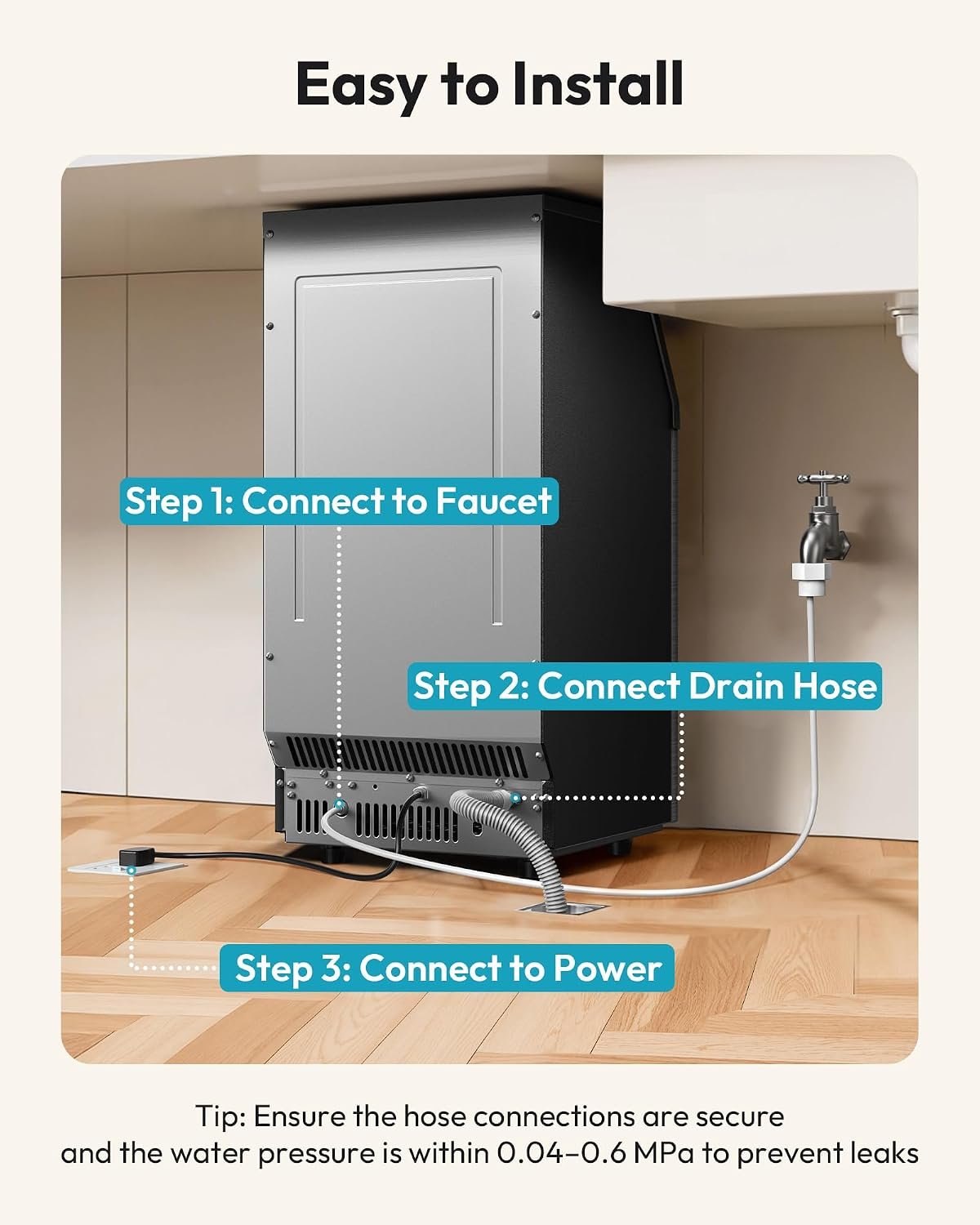
Water Supply Arrangement
Some ice makers require manual water filling, while others are designed for connection to a water supply.
Manual-fill systems may be convenient where plumbing is unavailable. Direct-connect models can be useful for frequent operation, provided the installation meets the manufacturer’s requirements.
Check whether water filtration is recommended and ensure that the water used for consumable ice meets applicable drinking-water standards.
Drainage Requirements
Depending on the design, the appliance may require manual draining or a suitable drainage connection. Water from melted ice and certain operating processes may need to be removed periodically.
Review the installation instructions and determine whether additional drainage arrangements are necessary. Incorrect installation can result in spills, hygiene concerns, or other operating difficulties.
Electrical Specifications
Check the required voltage, frequency, power rating, plug type, and other electrical details before ordering. Ice Maker 45KG/24H
The machine should be connected to a suitable power supply in accordance with the manufacturer’s instructions and local electrical safety requirements. Keep electrical connections protected from water and moisture.
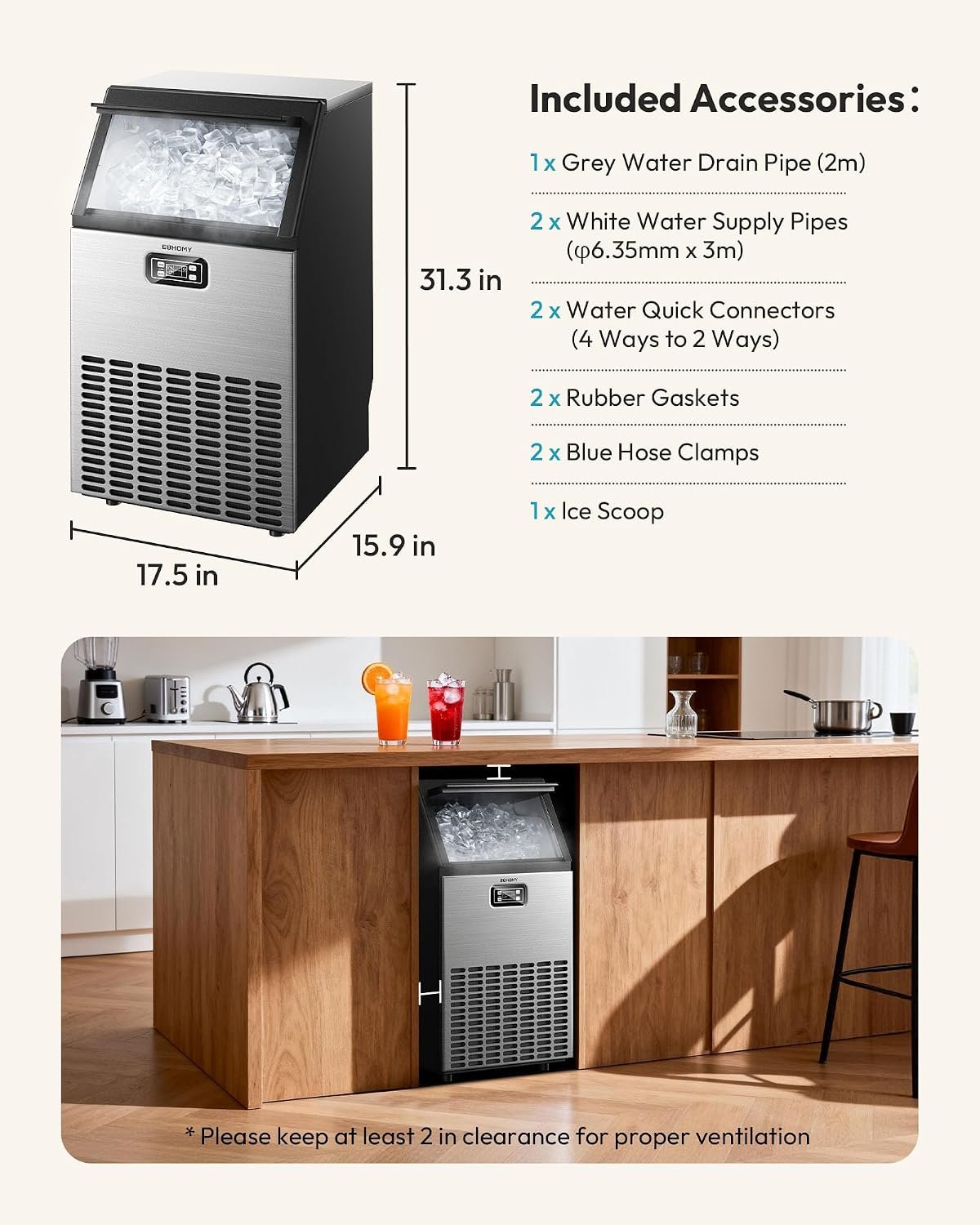
Dimensions and Ventilation
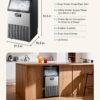
Measure the installation space before purchasing. Allow sufficient room around the machine for ventilation, cleaning, access to controls, and any service work.
Do not place the appliance in an enclosed area unless its design and installation instructions permit it. Restricted airflow can affect the performance of refrigeration equipment. Ice Maker 45KG/24H
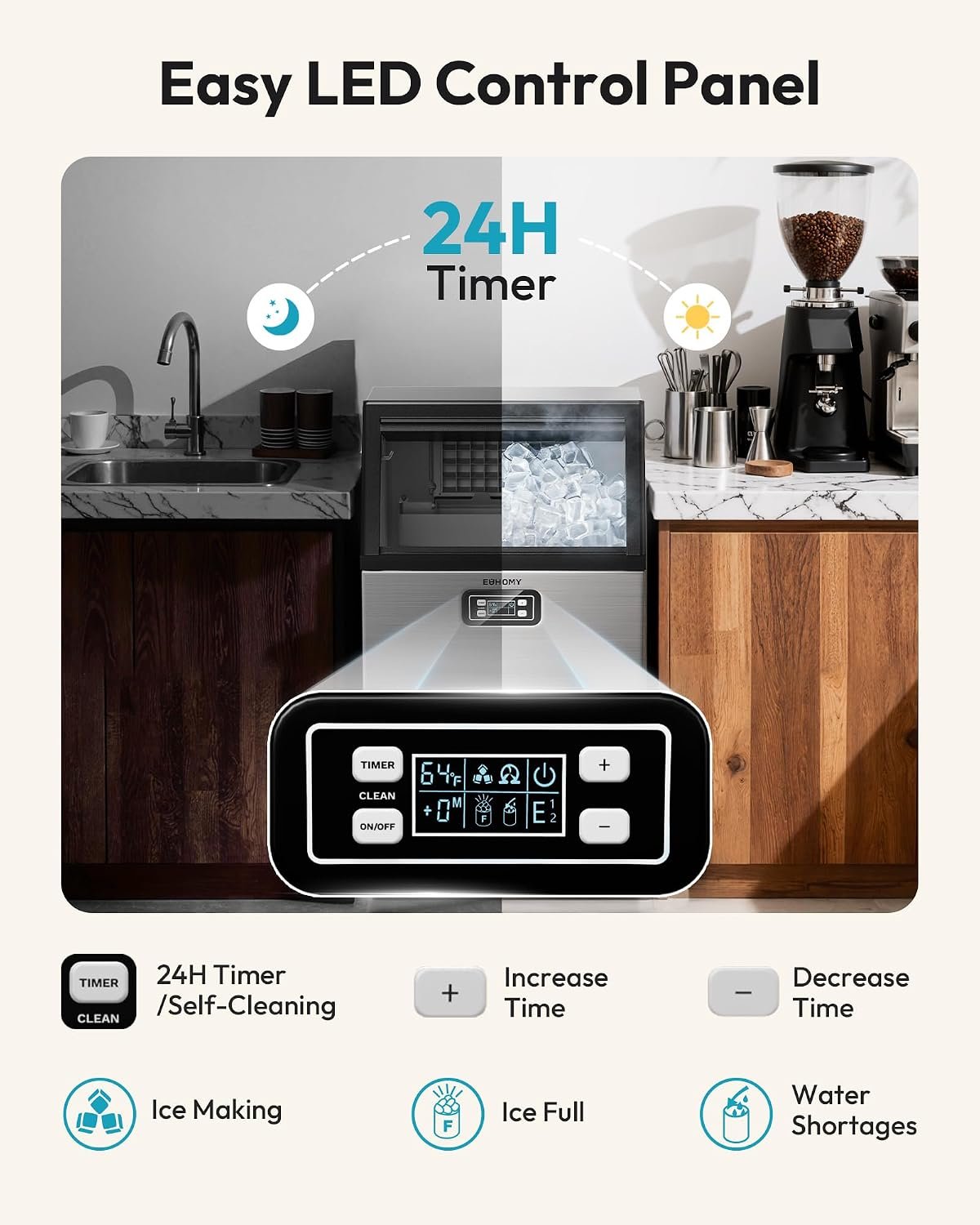
Controls and Automatic Functions
Some ice makers have indicators, automatic operating controls, or sensors that help manage production. Features vary between models.
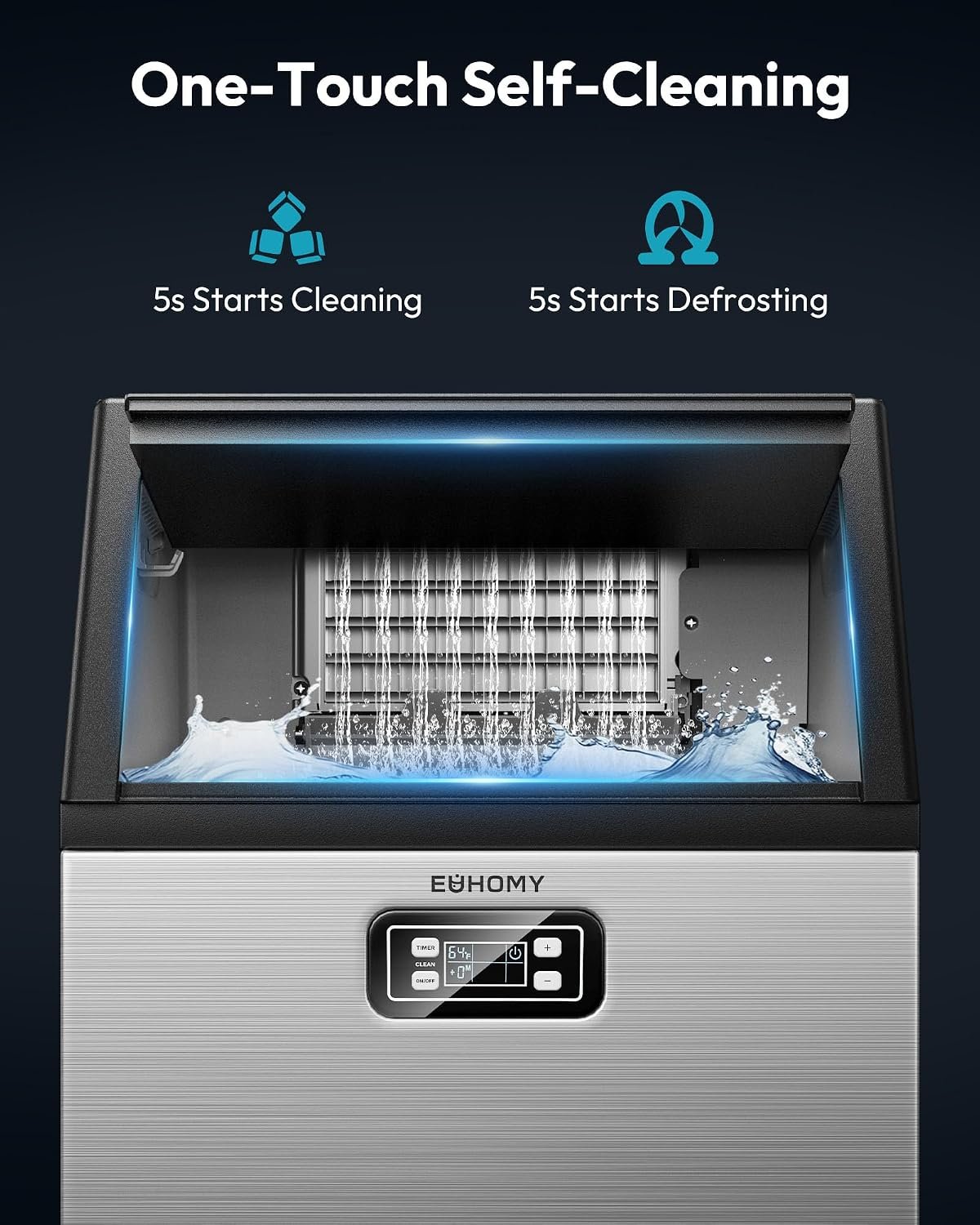
Do not assume that the machine includes an automatic ice-full sensor, digital display, self-cleaning function, or automatic shut-off unless the product specifications confirm it. Ice Maker 45KG/24H
Warranty and Service Support
Before purchasing commercial equipment, review the warranty, service arrangements, and availability of replacement parts.
These details are particularly important for businesses that rely on the machine during daily trading. Understanding the warranty conditions and recommended servicing schedule can help you plan for ongoing maintenance. Ice Maker 45KG/24H
How the Ice Maker 45KG/24H Works
Most automatic ice makers use a refrigeration system to remove heat from water and freeze it into ice.
Water enters the machine through a reservoir or suitable supply connection. The refrigeration system cools the relevant freezing surface or compartment until the water freezes. The machine then releases the formed ice into a storage basket or bin, depending on the design. Ice Maker 45KG/24H
The production cycle may repeat while the machine is operating and suitable conditions are maintained.
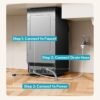
Different models use different mechanisms and controls, so the exact process can vary. The operating manual should explain how to start the machine, fill or connect the water supply, collect ice, drain the appliance, and clean the internal components.
Allow the machine to operate under the conditions recommended by the manufacturer. Avoid overloading it, blocking ventilation openings, or using it in an environment that exceeds its stated operating limits. Ice Maker 45KG/24H
Hygiene and Safe Ice Handling
Ice intended for drinks and food service should be handled hygienically. Freezing does not automatically make contaminated water or dirty equipment safe.
Always use water that is suitable for producing ice intended for human consumption. Follow any recommendations for filtration and water treatment provided by the manufacturer.
Clean the storage compartment and other accessible surfaces at the recommended intervals. Use cleaning products suitable for the appliance and follow the manufacturer’s instructions carefully. Ice Maker 45KG/24H
Staff should wash their hands before handling ice and use a clean scoop rather than picking up ice with bare hands. Store the scoop in a clean, protected location to reduce the risk of contamination.
In restaurants, cafés, bars, and catering businesses, ice should be protected from contact with raw food, dirty utensils, cleaning chemicals, and other possible sources of contamination.
Discard ice that may have been contaminated and clean the affected storage area before using the machine again. A regular hygiene routine supports safe food service and helps keep the appliance in good condition. Ice Maker 45KG/24H
Maintenance Tips for the Ice Maker 45KG/24H
Regular maintenance helps support reliable ice production and extends the useful life of equipment when performed correctly.
Clean the Storage Compartment
Ice storage areas can accumulate residue, dirt, and mineral deposits over time. Clean the bin or basket according to the manufacturer’s schedule. Ice Maker 45KG/24H
Where the manual requires the appliance to be switched off or disconnected before cleaning, follow those instructions. Do not allow water to enter electrical components or areas that are not designed to get wet.
Inspect Water Connections
For models connected to a water supply, periodically inspect hoses and fittings for leaks, wear, and blockages.
If the machine requires manual filling, use clean containers and avoid contaminating the water reservoir.
Keep Ventilation Open
Ensure that air can circulate around the machine as recommended by the manufacturer. Remove dust from accessible ventilation areas using an approved cleaning method. Ice Maker 45KG/24H
Avoid placing items on or around ventilation openings where they could restrict airflow.
Monitor Production Performance
Observe how quickly the machine produces ice and look for noticeable changes in output. Unusual noises, water leaks, repeated interruptions, or substantially reduced production may indicate that inspection is needed.
Check the manual for basic troubleshooting guidance. Persistent faults should be assessed by a qualified technician. Ice Maker 45KG/24H
Follow Descaling Recommendations
Mineral deposits may accumulate where water contains high levels of dissolved minerals. Follow the manufacturer’s guidance on descaling and use only recommended cleaning agents.
Incorrect chemicals or procedures can damage internal components and may leave residues unsuitable for food-contact equipment.
Arrange Professional Servicing
Refrigeration systems and electrical components should be serviced by appropriately qualified professionals when necessary. Ice Maker 45KG/24H
Keep the instruction manual, warranty documents, and purchase information accessible so that maintenance and technical support can be arranged efficiently.
Choosing the Right Ice Maker for Your Business
Before purchasing an ice maker, estimate your actual daily consumption. Consider the number of beverages served, how much ice each drink requires, and whether ice is used for other purposes. Ice Maker 45KG/24H
Next, consider peak demand. A café may use a moderate amount of ice across the whole day but experience a significant increase during lunch service. A bar may need a large amount of ice in the evening, while a guesthouse may have more evenly distributed demand.
Compare your estimates with both the daily production capacity and storage capacity of the machine. These specifications answer different questions: production capacity indicates how much ice the appliance may make over time, while storage capacity indicates how much it can hold at once. Ice Maker 45KG/24H
Also consider your working environment. In hot climates or warm commercial kitchens, appropriate ventilation and installation conditions are especially important. Actual output may differ from the manufacturer’s rating if the operating environment is less favourable than the test conditions.
Finally, consider the total cost of ownership, including the purchase price, electricity and water use, cleaning supplies, servicing, and any required installation work.
Energy and Operating Costs
An ice maker uses electricity to operate its refrigeration system and other components. The exact running cost depends on the model’s power consumption, production workload, operating conditions, and local electricity tariff. Ice Maker 45KG/24H
Before purchasing, review the manufacturer’s energy or power specifications where available. For a business, comparing operating costs across suitable models may help identify the most economical option for the expected workload.
Good installation practices can also support performance. Keep ventilation openings clear, follow the recommended operating instructions, and maintain the appliance according to its cleaning schedule.
Water use is another consideration. If the machine requires a direct water connection, ensure that the supply and drainage arrangements are appropriate. If it uses manual filling, establish a clean and consistent routine for replenishing the reservoir. Ice Maker 45KG/24H
Rather than selecting equipment based on capacity alone, consider how efficiently the appliance can meet your actual ice requirements.
Common Buying Mistakes to Avoid
One frequent mistake is assuming that the advertised 45kg capacity refers to the amount of ice the machine stores at once. Always check the storage specification separately.
Another mistake is overlooking peak demand. Daily production may appear sufficient, but a business can still run short if most of its ice is needed within a short period. Ice Maker 45KG/24H
Buyers should also avoid choosing a machine without checking its dimensions and installation requirements. Water connections, drainage, electrical supply, and ventilation can all affect whether the appliance is suitable for a particular location.
It is equally important to confirm the type of ice produced. A machine may have the right capacity but produce ice that does not suit the business’s preferred beverages or presentation.
Finally, review warranty conditions, service availability, and cleaning requirements before purchasing. These details can have a meaningful effect on the machine’s long-term usefulness. Ice Maker 45KG/24H
Why Choose Supreme Events and Catering Equipment?
Supreme Events and Catering Equipment offers equipment intended to support catering, food preparation, hospitality, and event-related operations.
When selecting an Ice Maker 45KG/24H, buyers should consider how the appliance will fit into their existing setup. The right equipment should match the expected workload, available space, installation requirements, and hygiene procedures of the business. Ice Maker 45KG/24H
Before placing an order, review the available product specifications carefully. Confirm the production rate, storage capacity, ice type, dimensions, electrical rating, water supply arrangement, drainage requirements, warranty terms, and delivery information for the specific model.
Whether you are equipping a small café, improving a restaurant beverage station, setting up a guesthouse kitchen, or looking for a convenient ice-making appliance for your home, choosing a suitable model can help make daily ice production easier to manage.
Frequently Asked Questions
1. What does Ice Maker 45KG/24H mean?
It generally refers to an ice maker with a stated production capacity of 45 kilograms over 24 hours under specified conditions. Actual output can vary according to the model and operating environment. Ice Maker 45KG/24H
2. Can a 45kg ice maker be used in a restaurant?
It may suit a smaller restaurant with moderate ice consumption. Larger restaurants should estimate their daily usage and peak demand to determine whether this production rate is sufficient.
3. Is the machine suitable for a café?
It may be suitable for a café serving a moderate volume of iced drinks. Businesses with high demand for iced coffee, cold beverages, and smoothies should compare consumption with the machine’s actual output and storage capacity. Ice Maker 45KG/24H
4. Does it store 45kg of ice at one time?
Not necessarily. The 45kg figure commonly refers to production over 24 hours, while the storage bin has a separate capacity. Check the product specifications for the storage volume.
5. Can I use the ice maker at home?
Yes, a suitable model may be used in a home kitchen or entertainment area if its dimensions, electrical requirements, water arrangements, and operating conditions are appropriate. Ice Maker 45KG/24H
6. How should I clean the machine?
Follow the manufacturer’s cleaning instructions and recommended schedule. Use suitable products, keep electrical components dry, and maintain clean ice-handling practices.
7. Will the machine always produce 45kg of ice per day?
Not necessarily. The advertised figure is a rated capacity under specified conditions. Ambient temperature, water temperature, ventilation, and maintenance can affect actual output. Ice Maker 45KG/24H
8. Is a 45kg ice maker enough for catering events?
It may support smaller events, depending on the number of guests and the amount of ice required. For large functions or concentrated periods of demand, additional ice or a higher-capacity machine may be necessary.
Conclusion: A Practical Ice-Making Solution for Everyday Service
The Ice Maker 45KG/24H is a practical option for users seeking a dedicated source of ice for beverage preparation, hospitality, food service, and everyday convenience. With a stated production capacity of 45kg per 24 hours, it may suit smaller commercial operations and other environments with moderate ice requirements. Ice Maker 45KG/24H
Its suitability depends on several important factors, including the actual production rate, storage capacity, ice type, installation conditions, water supply, drainage, and electricity requirements. Buyers should also consider how much ice they need during their busiest service periods rather than relying solely on the daily production rating.
For businesses, regular cleaning, proper ventilation, safe ice handling, and routine maintenance can help support dependable operation. Comparing running costs and warranty support can also help buyers make a more informed investment. Ice Maker 45KG/24H
Supreme Events and Catering Equipment aims to support practical equipment choices for hospitality and catering needs. Review the specifications of the available Ice Maker 45KG/24H model to confirm that it matches your requirements before ordering.
If you need a convenient way to produce ice for cafés, restaurants, beverage stations, guest accommodation, small events, or home entertainment, an appropriately selected 45kg-per-day ice maker can be a valuable addition to your equipment setup. Ice Maker 45KG/24H
Reviews
There are no reviews yet.