

Description
Ice Maker 40kg – Reliable Commercial Ice Production for Your Business
Introduction to the Ice Maker 40kg
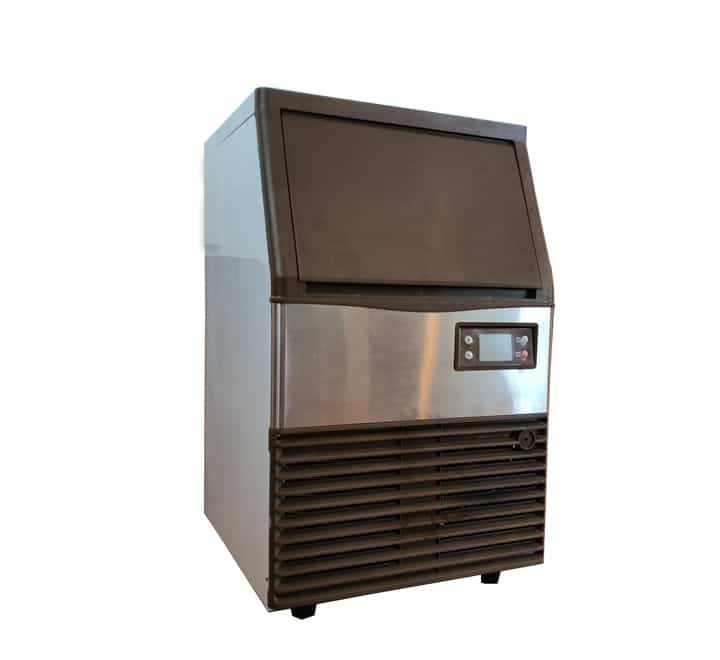
An Ice Maker 40kg is a practical solution for businesses that need a dependable supply of ice for everyday commercial operations. From restaurants and cafés to bars, hotels, catering companies, takeaway outlets, and event venues, ice-making equipment plays an important role in beverage preparation, customer service, and maintaining an organised working environment. Ice Maker 40Kg
Ice is an essential requirement in many hospitality businesses. It is used to chill soft drinks, water, juices, iced coffee, cocktails, and other refreshments. Depending on the business, ice may also be required for suitable food presentation and specific food-handling applications. When customers expect cold beverages throughout the day, having a reliable source of ice can help staff work efficiently and reduce interruptions during busy service periods. Ice Maker 40Kg
The Ice Maker 40kg offers a potential solution for establishments looking for dedicated ice production without necessarily investing in a larger industrial machine. Its stated capacity makes it worth considering for small and medium-sized businesses, although the correct choice depends on the model’s specifications and the business’s daily ice consumption. Ice Maker 40Kg
Before purchasing, buyers should confirm whether the 40kg rating refers to production over 24 hours or another specified period. Production capacity is different from storage capacity, and actual output may vary with water temperature, room temperature, ventilation, and maintenance.
Choosing an appropriate ice maker can help businesses manage their ice supply, support smoother beverage service, and reduce reliance on repeated purchases of packaged ice. With proper installation, regular cleaning, and responsible maintenance, an Ice Maker 40kg can become a valuable addition to a commercial kitchen or hospitality workspace. Ice Maker 40Kg
What Is an Ice Maker 40kg?
An Ice Maker 40kg is an appliance designed to produce ice automatically using a refrigeration system. Water enters the machine through its designated supply arrangement, freezes within the ice-making system, and is released into a collection area for use when needed. Ice Maker 40Kg
The 40kg designation commonly refers to the machine’s rated ice production over a specified period, often 24 hours. However, this should be confirmed in the manufacturer’s technical documentation. A machine that produces up to 40 kilograms of ice over a day may have a much smaller storage bin, meaning that the ice must be collected or used as production continues.
This distinction is important for commercial buyers. Production capacity indicates how much ice a machine can make over time, while storage capacity indicates how much ice it can hold at once. Both figures affect whether the machine can meet a business’s requirements. Ice Maker 40Kg
An Ice Maker 40kg may suit businesses that require a regular supply of ice but have limited floor or counter space. It can be particularly useful in establishments where ice is needed throughout the working day but demand does not justify a larger commercial ice production system. Ice Maker 40Kg
The exact suitability of the machine depends on its design, ice type, storage capacity, operating conditions, and installation requirements. Reviewing these details before purchase helps ensure that the equipment meets the intended purpose.
Key Benefits of an Ice Maker 40kg
1. Convenient On-Site Ice Production
One of the primary benefits of an ice maker is the convenience of producing ice on the premises. Businesses can reduce their dependence on external suppliers and avoid repeatedly purchasing bags of ice for routine operations. Ice Maker 40Kg
Having a dedicated machine allows staff to include ice production in their daily workflow. This can be especially helpful for cafés, restaurants, takeaway outlets, and small bars that need ice available at different times throughout the day.
2. Improved Beverage Service
Customers often expect cold drinks when visiting restaurants, cafés, hotels, and entertainment venues. An ice maker helps businesses prepare chilled beverages more conveniently. Ice Maker 40Kg
Staff can use available ice for soft drinks, juices, water, iced coffee, mocktails, and cocktails, depending on the type of ice produced. Keeping ice accessible can help reduce delays during busy service periods and contribute to a more consistent customer experience.
3. Suitable for Smaller Commercial Spaces
Businesses with limited kitchen space may not need a large industrial ice-making system. An appropriately sized 40kg machine can offer a practical alternative, provided its dimensions and output match the business’s requirements. Ice Maker 40Kg
Before buying, measure the available installation area and check the machine’s dimensions. Remember to allow additional space for ventilation, cleaning, water connections, drainage, and maintenance access.
4. Potential Reduction in Ice Purchasing Expenses
Regularly buying packaged ice can add to a business’s operating costs. Producing ice on-site may reduce this expense, particularly for businesses with consistent daily demand.
However, the financial benefit depends on the cost of the machine, electricity consumption, water usage, filtration, maintenance, repairs, and the local price of purchased ice. Ice Maker 40Kg
Business owners should compare their existing ice expenses with the estimated cost of operating the equipment. The most economical solution is the one that meets actual demand without unnecessary operating or maintenance costs.
5. More Efficient Daily Operations
A dedicated ice maker gives staff a designated source of ice. Instead of leaving the service area to collect ice from an external freezer or unpack purchased bags, employees can access the machine when necessary.
When positioned near the beverage preparation area, the equipment can support a more organised workflow. Staff should still ensure that the machine does not obstruct walkways, food preparation surfaces, or access to other kitchen equipment. Ice Maker 40Kg
6. Practical for Different Hospitality Businesses
An Ice Maker 40kg may be appropriate for a range of establishments, depending on how much ice they use. Small restaurants, cafés, guesthouses, takeaway outlets, and modest catering operations may find this capacity worth considering.
The machine should be selected according to actual consumption rather than business type alone. Two cafés with similar seating capacity may have very different ice requirements depending on their menus, operating hours, and beverage sales. Ice Maker 40Kg
7. Better Control Over Ice Availability
Producing ice on-site can help businesses plan their daily supply. Staff can monitor ice levels, organise production, and prepare for anticipated periods of higher demand.
Although an ice maker cannot guarantee an uninterrupted supply under every condition, a correctly sized machine can help reduce the uncertainty associated with depending entirely on outside purchases. Ice Maker 40Kg
Ideal Applications for the Ice Maker 40kg
Restaurants and Commercial Kitchens
Restaurants use ice for water, soft drinks, juices, iced beverages, and other refreshments. A dedicated ice maker can help staff maintain a convenient supply during breakfast, lunch, and dinner service.
For a small restaurant, a 40kg-rated machine may be suitable if its production and storage capacities meet daily demand. Restaurants with busy beverage stations should assess peak consumption before making a purchase.
The machine should be installed in an appropriate location with sufficient ventilation, suitable drainage, and a compatible water and electrical supply. Ice Maker 40Kg
Cafés and Coffee Shops
Cafés serving iced coffee, iced lattes, iced tea, smoothies, and cold refreshments can benefit from an on-site ice supply.
Ice demand may rise during warmer months or at busy times of day. A dedicated machine can help café staff prepare beverages without depending entirely on packaged ice. Ice Maker 40Kg
Before purchasing, confirm the ice shape produced by the model. Different drinks and preparation methods may require different types of ice.
Bars and Small Cocktail Lounges
Bars use ice for mixed drinks, cocktails, soft drinks, water, and other beverages. An ice maker can help staff manage routine drink preparation and reduce the inconvenience of repeatedly obtaining ice from another location. Ice Maker 40Kg
The suitability of a 40kg machine depends on the bar’s expected drink volume and the type of ice required. A busy cocktail bar may need a higher-capacity system or supplementary ice supplies.
Guesthouses and Bed-and-Breakfast Establishments
Guesthouses and bed-and-breakfast properties may need ice for breakfast service, guest refreshments, small functions, and bar areas. Ice Maker 40Kg
A smaller commercial ice maker may provide a practical option for establishments with moderate occupancy and predictable demand.
Managers should consider seasonal occupancy, weekends, and special events when estimating requirements. They should also check whether the storage bin can hold enough ice for the busiest periods.
Takeaway Shops and Fast-Food Outlets
Takeaway businesses often serve cold drinks alongside meals. Having ice available on-site can support efficient preparation and help employees handle orders during busy lunch and evening periods.
The machine’s production rating should be compared with the number of beverages sold each day. If the outlet serves a large volume of iced drinks, a machine with greater capacity may be more appropriate.
Catering Businesses
Catering companies may use ice for beverage dispensers, refreshment stations, and selected food presentation applications. A commercial ice maker can help prepare supplies at a permanent catering facility.
Businesses should plan production ahead of scheduled events and ensure that ice is stored and transported hygienically. If large quantities are required within a short period, a 40kg machine may need to be supplemented by additional storage or another source of ice.
Small Hotels and Hospitality Facilities
Smaller hotels and hospitality facilities may need ice for guest drinks, restaurant service, and limited event activities.
An Ice Maker 40kg can be considered where daily consumption is moderate. Larger properties or facilities with several food and beverage outlets may need multiple machines or a higher-output system.
Offices and Staff Kitchens
Some offices and staff facilities use ice for meetings, refreshments, and shared kitchen areas. A commercial ice maker may be useful when demand exceeds what a standard freezer can conveniently provide.
The selected model should suit the number of users, available space, and expected frequency of use.
Important Features to Consider Before Buying
Production Capacity
Confirm the production period associated with the 40kg rating. If the machine is rated to produce 40 kilograms per 24 hours, actual output may be lower under certain operating conditions.
High ambient temperatures, warm incoming water, restricted ventilation, and inadequate maintenance can affect production. Compare the manufacturer’s rating with your estimated daily requirements.
Ice Storage Capacity
Storage capacity determines how much ice can be held in the machine’s bin at a given time. It is separate from the quantity produced over a day.
If your business experiences short periods of high demand, a small storage bin may be a limitation even when the daily production rating appears sufficient.
Check the storage-bin specifications and consider how often staff will need to collect ice.
Ice Shape and Size
Commercial ice makers can produce different types of ice, including cubes, bullet-shaped ice, and other formats. The best choice depends on how the ice will be used.
For example, a café may have different requirements from a bar or beverage kiosk. Confirm the specific ice format before ordering rather than assuming all 40kg machines produce the same type.
Machine Dimensions
Measure the intended installation space before buying. Allow room for the machine itself, ventilation, cleaning, access panels, water connections, drainage, and servicing.
A compact machine can be useful in a small kitchen, but it still needs to be installed according to the manufacturer’s clearance requirements.
Water Supply and Drainage
Most automatic ice makers require a suitable water supply and a drainage arrangement. Confirm whether the installation requires additional plumbing and whether the existing facilities are compatible.
Depending on local water quality and manufacturer guidance, an appropriate filtration system may help reduce sediment and mineral deposits. Check filter compatibility and replacement requirements before purchasing additional components.
Electrical Requirements
Review the voltage, frequency, power rating, and plug requirements stated in the product documentation. Ensure that the machine is compatible with the available electrical supply.
Follow the manufacturer’s installation instructions and applicable local electrical regulations. Use a qualified professional when necessary.
Cleaning and Maintenance Access
Hygiene is essential because ice may be consumed directly or used in beverages. Choose equipment that can be cleaned according to the manufacturer’s instructions and allows appropriate access to the storage bin and serviceable components.
Regular cleaning helps support safe ice handling and can reduce the build-up of mineral deposits or other residue.
Warranty and After-Sales Support
Before making a purchase, confirm the warranty period, coverage conditions, service options, and availability of replacement parts.
Access to qualified technicians can be important when the machine is used as part of daily commercial operations.
How an Ice Maker 40kg Works
Although the exact design varies, most automatic ice makers use a refrigeration system to freeze water in a controlled environment. 40kg
Water enters through the designated supply connection and reaches the ice-forming area. The refrigeration system removes heat, causing the water to freeze. When the ice reaches the required stage, the machine releases it into a storage bin or collection compartment. 40kg
The machine may then begin another cycle according to its controls and operating conditions. Some models use sensors to regulate production or manage the amount of ice in the storage area, but the specific features depend on the model.
Before using the machine, read the manufacturer’s manual and follow the recommended start-up process. Staff should understand normal operating behaviour and know how to respond to signs of poor production, unusual noises, leaks, or irregular ice formation. 40kg
Hygiene and Food Safety
Ice intended for consumption should be handled with the same care as other food products. Contamination can occur through unclean hands, utensils, containers, surfaces, or an unsuitable water supply.
Businesses should establish a consistent cleaning and handling routine. 40kg
Regular Cleaning
Clean the machine according to the manufacturer’s schedule. The required frequency may depend on the operating environment, water quality, and how often the machine is used.
Use only suitable cleaning products and follow the recommended dilution, rinsing, and sanitising instructions. Avoid introducing cleaning chemicals into ice intended for consumption. 40kg
Use a Dedicated Ice Scoop
Provide a clean scoop for collecting ice. Store it hygienically and avoid placing the handle directly into the ice.
Do not use bare hands, drinking glasses, or other unsuitable containers to scoop ice. These practices may introduce contaminants into the storage bin. 40kg
Protect the Storage Bin
Keep the storage compartment closed when practical. Prevent unnecessary contact with the ice and do not use the bin to store unrelated items.
If ice becomes contaminated, discard the affected ice and clean and sanitise the relevant surfaces according to your food-safety procedures. 40kg
Monitor Water Quality
Use water that meets the applicable requirements for drinking water when the ice is intended for consumption.
Follow the manufacturer’s recommendations for filtration and filter replacement. If there are concerns about the incoming water supply, seek appropriate advice before operating the machine. 40kg
Maintenance Tips for Long-Term Performance
Regular maintenance helps support reliable operation and may reduce avoidable interruptions.
Keep ventilation areas clear. Ensure that airflow around the machine is not obstructed by walls, boxes, grease, dust, or other equipment. 40kg
Clean accessible components. Follow the manufacturer’s instructions for the storage bin, water-contact areas, and other user-serviceable parts.
Inspect water connections. Check for visible leaks, damaged hoses, or loose fittings. Arrange repairs promptly if problems are identified. 40kg
Check the drainage system. Ensure that the drainage arrangement remains clear and that water does not accumulate around the machine.
Monitor production levels. If the machine produces less ice than expected, check for obvious issues such as restricted airflow or water-supply problems. Arrange professional service when required.
Schedule professional servicing. Refrigeration systems and electrical components should be inspected or repaired by suitably qualified technicians. 40kg
Follow shutdown procedures. If the machine will remain unused for an extended period, follow the manufacturer’s guidance for switching it off, draining it, cleaning it, and preparing it for later use.
Choosing the Right Ice Maker for Your Business
The first step in selecting an ice maker is to estimate your daily consumption. Consider how many customers you serve, which beverages you offer, and how long your business operates each day. 40kg
Next, assess peak demand. A small café may use most of its ice during the afternoon, while a restaurant may experience higher demand during lunch and dinner. A machine needs to meet these periods as well as average daily consumption.
Compare both production and storage capacity. A unit with a suitable daily rating may still struggle to provide enough ice at a particular time if the storage bin is small or the machine’s production cycle cannot keep pace with demand.
Consider installation space, water and drainage connections, electrical requirements, and ventilation. Make sure the machine can be installed and maintained safely. 40kg
It is also important to assess operating costs. Include electricity, water, filters, cleaning products, servicing, and repairs when evaluating the long-term expense.
Finally, check the warranty and service arrangements. A machine that suits your business technically may still be a poor choice if replacement parts or qualified service are difficult to obtain. 40kg
Buying an Ice Maker 40kg Online
Buying an Ice Maker 40kg online allows businesses to compare available models and review product details before making a decision. 40kg
Read the product listing carefully and verify the stated production capacity, storage-bin size, ice type, dimensions, power requirements, and installation arrangements. Contact the supplier if important specifications are missing or unclear.
Check delivery terms, warranty coverage, payment methods, and after-sales support. If you are purchasing equipment for use in another country, confirm compatibility with the local electrical supply and consider shipping expenses, import duties, and service availability. 40kg
It is also useful to plan where the machine will be installed before ordering. Ensure that the location offers sufficient space and suitable connections, and that staff can access the ice without disrupting other activities.
Taking time to compare specifications can help you choose a machine that suits your operation and budget.
Why Invest in an Ice Maker 40kg?
A suitable commercial ice maker can help businesses organise beverage preparation, maintain a more convenient supply of ice, and reduce reliance on repeated external purchases.
For cafés, restaurants, bars, guesthouses, takeaway outlets, and small catering businesses, on-site ice production can support smoother daily operations and a more predictable supply. 40kg
An Ice Maker 40kg may be a practical option for establishments with moderate ice requirements, but its suitability depends on the specific model and the amount of ice the business consumes. Production capacity, storage capacity, ice type, and peak demand should all be considered before purchase. 40kg
Proper installation, consistent cleaning, good water quality, and regular maintenance are important for safe and reliable operation. Businesses should also ensure that employees understand hygienic ice-handling practices.
Conclusion: Choose an Ice Maker 40kg for Convenient Commercial Ice Production
The Ice Maker 40kg is a commercial equipment option for businesses that need a regular supply of ice without necessarily requiring a large industrial ice-making system. It may suit restaurants, cafés, bars, guesthouses, takeaway outlets, offices, and smaller catering operations, depending on the model’s confirmed specifications and daily demand. 40kg
Before purchasing, check the production rating, storage-bin capacity, ice format, dimensions, water and drainage requirements, electrical specifications, and warranty coverage. These details help determine whether the machine can meet your daily requirements and support your busiest service periods.
With proper installation, hygienic handling, routine cleaning, and timely maintenance, a suitable ice maker can become a valuable part of a commercial workspace.
If you are looking for an Ice Maker 40kg for your business, compare the available specifications and choose a model that meets your ice production needs, fits your working environment, and supports your long-term commercial goals. 40kg
Reviews
There are no reviews yet.